
Written by Shanelle Ribeiro and Shaun Pieterse
The NSCF has developed several open-source resources, tools, and practices that contribute to improving standards, facilitating collaboration, and building capacity for South Africa’s natural science collections. These efforts and tools can be shared to foster collaboration with African and global collections and research networks, enabling broader collaborative learning and enhancing the impact of collections and associated research in addressing societal needs as well as global environmental and biodiversity challenges.
1. Introduction
The Natural Science Collections Facility (NSCF) was established in 2017 with the aim of collectively addressing the challenges faced by natural science collections across the country. Central to this was the need to move collections forward in a coordinated and collaborative manner. Through shared effort, the NSCF seeks to strengthen the long-term sustainability, relevance and national impact of South Africa’s natural science collections. A distributed network, funded by the Department of Science, Technology, and Innovation (DSTI), was established to secure collections as critical national assets that underpin research and innovation, education, conservation planning, and evidence-based decision-making. The NSCF network currently consists of 19 South African partner institutions holding natural science collections and a coordinating hub based at the South African National Biodiversity Institute (SANBI). Collectively, these institutions hold more than 11.7 million accessions of animals, plants and fungi across 70 national collections.
The NSCF community agreed from the outset that values of open access, collaboration, honesty and transparency were required to come to terms with and find solutions to address the state of collection care, lack of standardised collection care practices, risks to collections, as well as funding and capacity constraints. These challenges have been compounded by historic fragmentation within institutions and amongst the community as a whole.
Several targeted, collaborative NSCF interventions have resulted in marked improvements in knowledge and resource sharing, management of collections and associated data, and mitigation of risks to collections. Resources and tools developed by the NSCF hub and the network are openly shared and available to anyone wanting to utilise these to ensure the long-term security of specimens and data, and to generally improve their management. Institutions are able to access and use the tools and resources for free, and receive support from the coordinating hub in the form of planning and onboarding assistance, implementation support, and ongoing tracking of progress made towards improving the state of the national collections. This is especially valuable considering the funding and capacity shortages experienced within collections globally.
The following section details the innovative tools and resources currently available through the NSCF and outlines their purpose and application.
2. Foundational Standards and Best Practice Guidance
The NSCF’s principal guidance resource for collection care is the Collection Management and Conservation Manual. This resource establishes shared national standards and procedures for managing and preserving natural science collections.
Collection Management and Conservation Manual (2021)
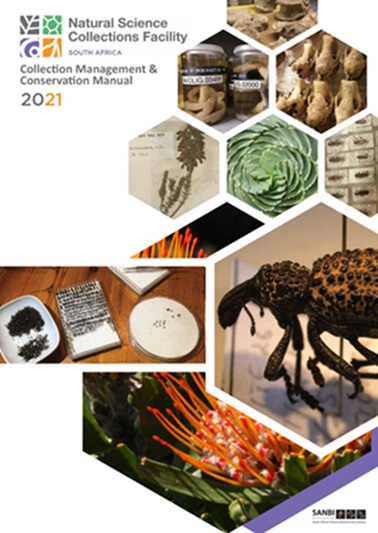
Figure 1. Collection Management and Conservation Manual
“The manual really helps us to get the collections up to standard!” – Lizel-Hugo Coetzee – National Museum, Bloemfontein
Purpose: The manual provides a unified, systematic, and globally accepted approach to collection management and conservation. Developed collaboratively with the NSCF community, the manual establishes policies, standards and procedures that safeguard collections. In addition, the manual also addresses compliance with legal and ethical requirements.
How is it used:
- National guidelines for South African institutions holding natural science collections.
- Standardises practices in acquisition, documentation, data management, conservation, ethics, and permitting.
- Serves as a reference and training resource for staff.
- Acts as a tool for transformation and collaboration across the NSCF network.
Who benefits:
- Collection staff: Clear guidelines and recognition of their professional role.
- Institutions: Compliance, efficiency, and stronger collaboration.
- Researchers: Reliable, accessible, well-documented collections and data.
- Government & funders: Assurance of responsible use of public investments.
- Society: Preservation of heritage and accessible collections for education, conservation, and sustainable use.
URL/Link/How to access: Download a free, searchable version of the manual: https://nscf.org.za/collection-management-and-conservation-manual/
3. Capacity Development and Skills Building
To help institutions apply the Manual in practice, the NSCF provides structured learning support through its Collection Management and Conservation Course Materials, which build staff capacity in critical areas of collections work.

Figure 2. Series of Course discussion forums and webinars
“The course assisted us in realising where the gaps in our collection management practices were, and led to the development of policies and standard operating procedures for our collections” – Course Participant
Purpose: The course was developed to professionalise collection management and curation in South Africa. It provides a structured, standards-based training model that aligns with the NSCF Collection Management and Conservation Manual. The course aims to strengthen technical and decision-making capacity, while also promoting a shared understanding of policies, procedures and responsibilities to encourage consistent implementation across institutions.
How is it used:
- Delivered through webinars and virtual forums coordinated by the NSCF Hub.
- Uses the Manual as the core content, with exercises that apply guidelines to participants’ work environments.
Who benefits:
- Collection staff: Gain structured, professional training aligned to national standards.
- Institutions: Benefit from better-trained, more confident staff managing collections consistently.
- The NSCF community: Gains a shared foundation of knowledge and practices.
- Funders & government: Assurance that investments in collections are safeguarded by trained professionals.
- Society: Benefits from improved care and accessibility of collections, ensuring their long-term value as research and heritage resources.
URL/Link/How to access: Course materials are available at: https://nscf.org.za/resources/collections-management/
4. Understanding Collection Needs Through Assessment
To support institutions in identifying strengths, risks and priority needs, the NSCF developed Collections Assessment methodologies and resources that provide a structured approach to evaluating collection status.
Collections Assessments: Methodology and Resources
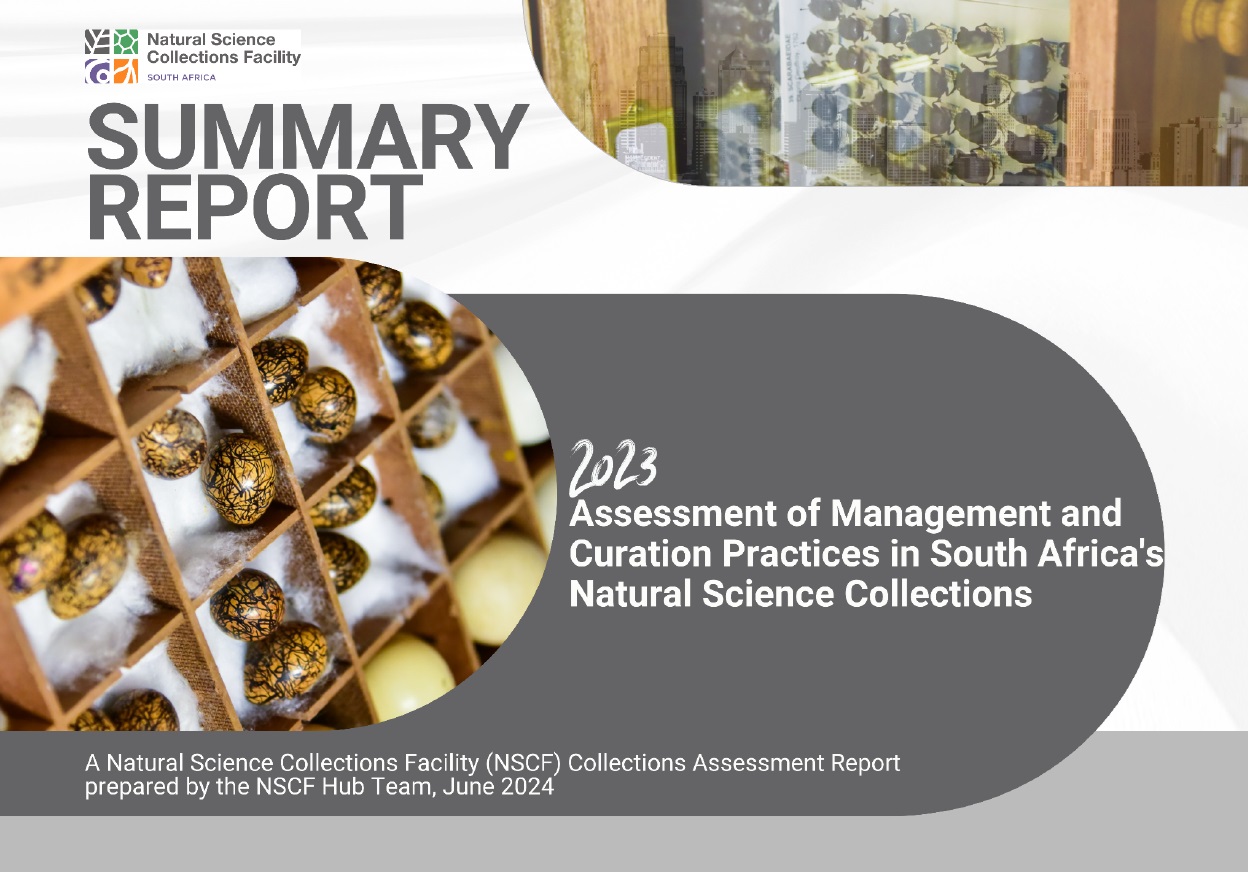
Figure 3. Summary Report: 2023 Collections Assessments
“The assessment really helped us see where each collection stands in relation to the NSCF standards — what’s working well, what still needs attention, and where we can make improvements.” – Collections Assessment Participant
Purpose:
The 2023 national collections assessment was undertaken to evaluate and report on the state of South Africa’s natural science collections. Specific focus was placed on how effectively institutions were implementing the best practice standards outlined in the NSCF Collection Management and Conservation Manual. Further to this, the assessment was intentionally designed as a socially innovative, collaborative process that prioritised shared learning across the NSCF community by moving away from traditional compliance-driven or audit-style models. By positioning institutions as partners in a collective national endeavour, the assessment underpinned and emphasised engagement, reflection and dialogue. Moreover, the assessment also supported and encouraged transparency, honest self-assessment and normalised discourse around the risks, constraints and resource gaps that plagued institutions and collections. At the same time, the assessment was novel in its scale and coherence, representing a coordinated national effort to assess South Africa’s natural science collections. The combination of standardised indicators and sensitivity to institutional context produced a consistent yet nuanced understanding of collections management and curation practices, systemic issues, as well as opportunities at both institutional and collection levels.
How is it used:
The methodology and resources developed through the assessments can be used by collections as practical tools for ongoing improvement and self-monitoring. The structured questionnaire, document review process, and moderation framework provide a replicable model for internal or peer-led evaluations, enabling institutions to measure their progress against the national standards outlined in the NSCF Collection Management and Conservation Manual. Importantly, these assessment components were designed to generate consistent, standardised outputs that feed directly into the Collection Status Tracking Tool, creating a clear link between evaluation, action and monitoring.
The feedback reports (in conjunction with the tracking tool developed through the assessment) can guide institutions in planning corrective actions, prioritising resource allocation, and tracking improvements over time. This ensures that assessment findings are translated into measurable and sustained improvements. The assessment framework can be adapted for internal audits, training new staff, or preparing institutional reports for funders and oversight bodies. Particularly, the risk management section describes a framework for identifying, categorising, and prioritising risks (e.g., environmental conditions and infrastructure). This framework can easily be adapted by institutions for ongoing internal risk reviews.
Who benefits:
A wide range of stakeholders benefit from the use of this methodology and its outcomes:
- Collections institutions and staff: gain a clear understanding of their strengths, risks, and areas for development, enabling them to improve management practices and strengthen institutional credibility.
- Researchers: benefit from better-curated, accessible, and digitised collections, which enhance data quality and research potential.
- Policy-makers and funders: benefit from reliable, standardised information that supports evidence-based decision-making, guides strategic investment and enables the most impactful use of public funds across the collections landscape.
- The broader scientific and public community: benefits through improved access to well-maintained and digitised collections that support biodiversity research, conservation planning, education, and innovation. This further ensures that public investment in collections is directed toward areas of greatest impact and need.
URL/Link/How to access:
5. Tracking Progress and Supporting Continuous Improvement
Following assessment, institutions can monitor improvement and document progress using the NSCF’s Collection Status Tracking Tool, which enables “real-time” reporting and tracking to support long-term strategic planning.
Collection Status Tracking Tool
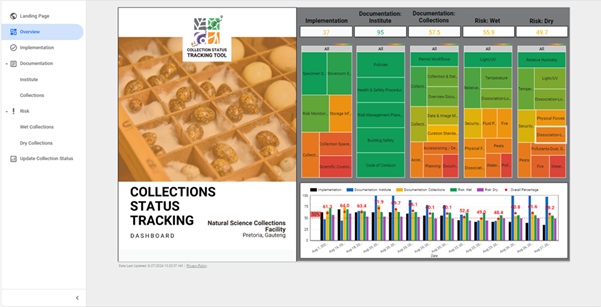
Figure 4. Snapshot of Tracking Tool Dashboard
“I was a bit overwhelmed at first, but after going through the tracking tool, I found that it really helped lay out and guide me on all the required documentation I would need to have in place.” – Communities of Practice member on using the tracking tool to aid in documentation development
Purpose
The purpose of the tracking tool is to record and monitor progress in improving the state of natural science collections over time. Built on the foundation established by the collection assessment, it enables institutions to translate assessment findings into measurable and sustained improvements. This positions the tracking tool to support accountability, benchmarking and shared learning across the network.
How is it used
- Institutions and participants use it to capture information on collection status, updating progress made on improvements.
- A presentation and video demonstration were provided at its launch to show how the tool works in practice, augmented by individual training sessions with each institution.
Who benefits
- Institutions managing collections: gain a structured way to monitor and demonstrate improvements.
- Collection staff: are able to track and share outcomes of their work.
- The NSCF network: benefits from shared data that highlights progress and areas needing attention.
URL/Link/How to access
- The tool was formally introduced and demonstrated at the launch of the NSCF Communities of Practice.
- A video demonstration titled “Collection Status Tracking Tool | Introduction & Demonstration” is available on the NSCF Youtube channel: https://www.youtube.com/watch?v=7z3nf_bCKBs&t=10s
- Specific access details have not been publicly provided, as the tracking tool dashboards are designed to only be accessible to relevant institutional staff.
- Access to the Collection Status Tracking Tool is therefore facilitated through the NSCF and institutions interested in using or piloting the tool are encouraged to contact the NSCF hub team to discuss suitability, onboarding and support.
6. Practical Tools for Day-to-Day Collections Work
In addition to guidance and planning frameworks, the NSCF have developed practical digital tools, which include the Specimen Label Creator and Georeferencing Tool. These tools strengthen specimen documentation and data quality.
Specimen Label Creator:
This easy-to-use tool assists with generating labels for collection specimens.
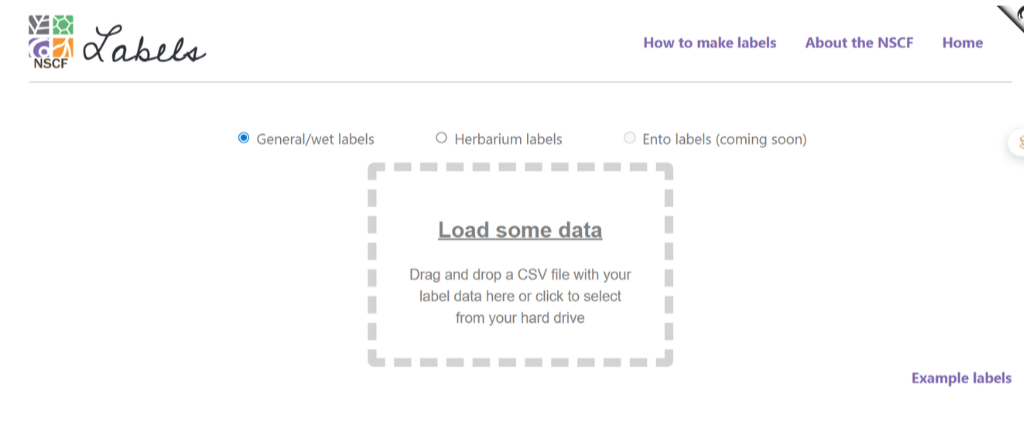
Figure 5. Snapshot of the label creator
Georeferencing Tool:
This tool is designed to aid the process of producing high-quality georeferences for museum and herbarium specimen records in a quick, efficient and enjoyable way.
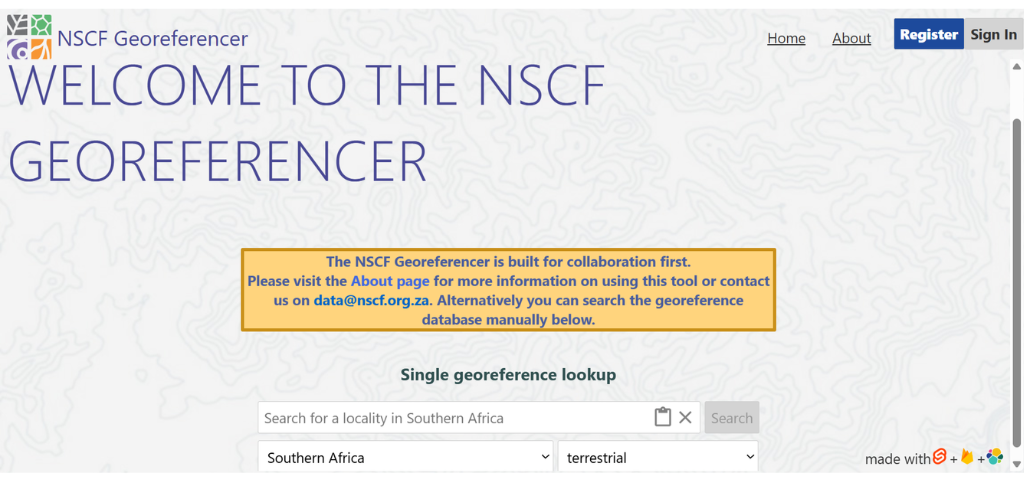
Figure 6. Snapshot of the georeferencer
7. Professional Networks and Shared Learning
In addition to developing technical tools and document resources, the NSCF is actively creating structured spaces for collections professionals to connect, exchange experience and learn from one another. Communities of Practice (CoPs) are part of this collaborative engagement approach.
Communities of Practice
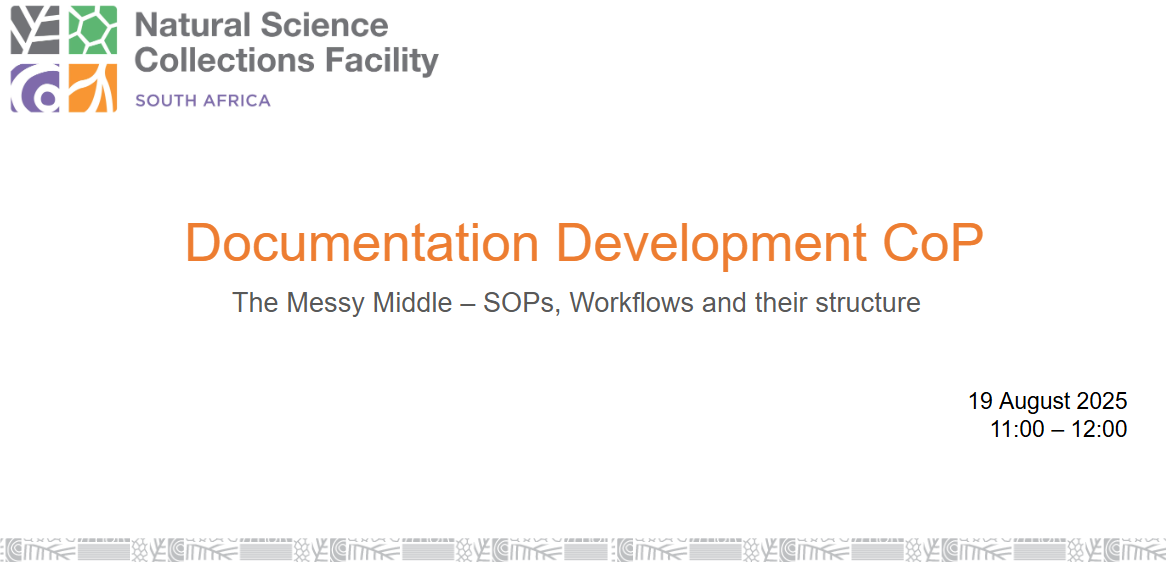
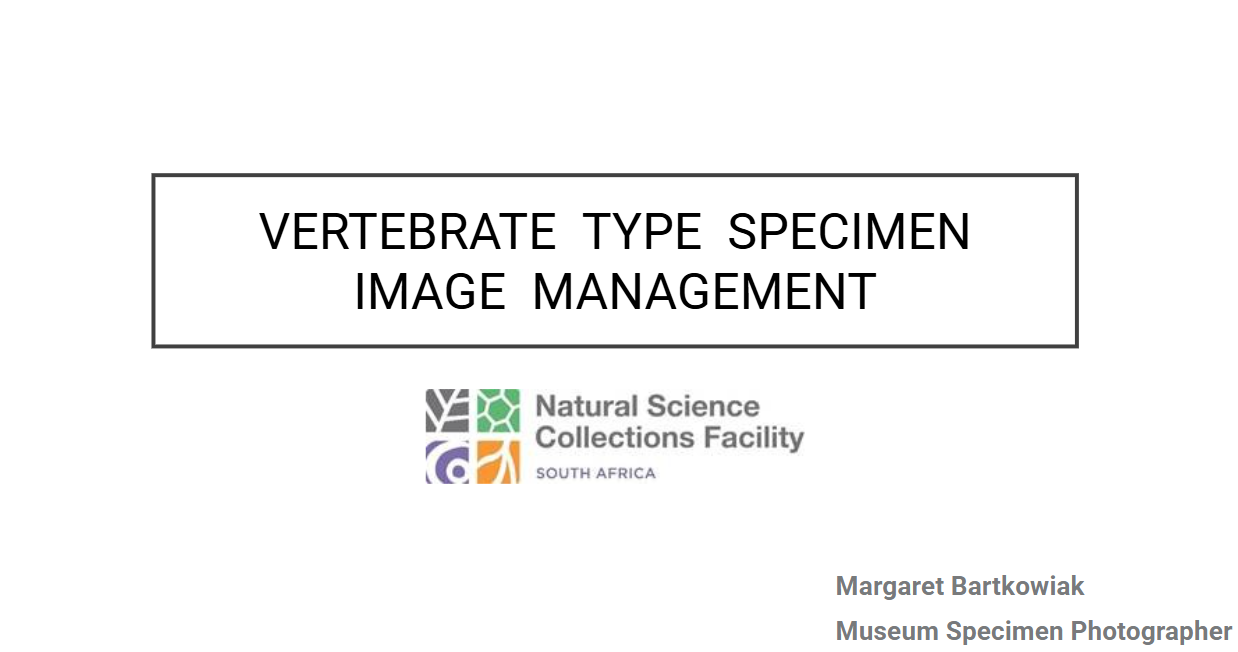
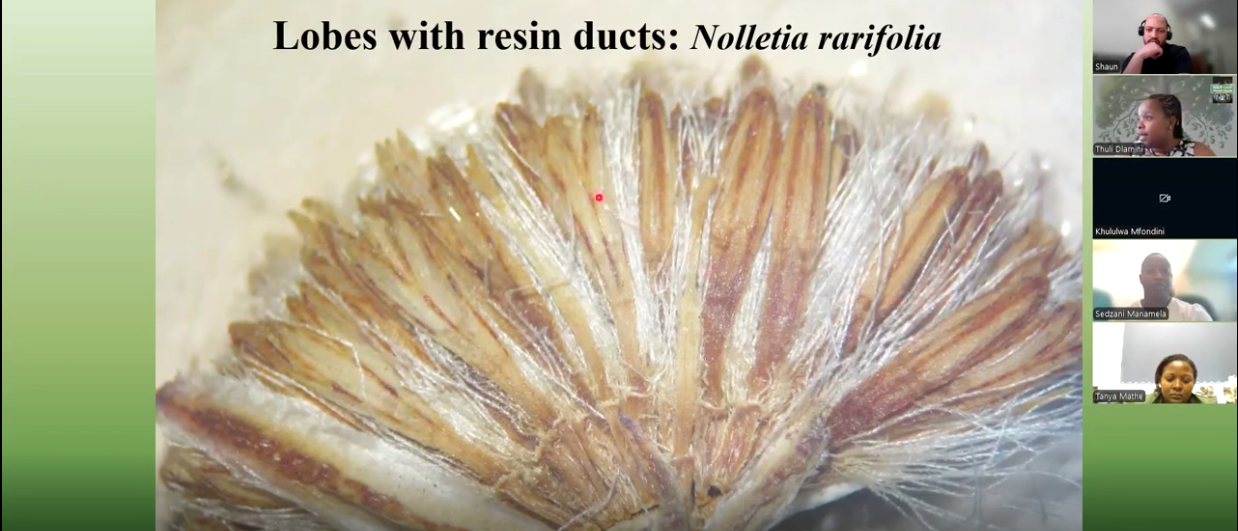
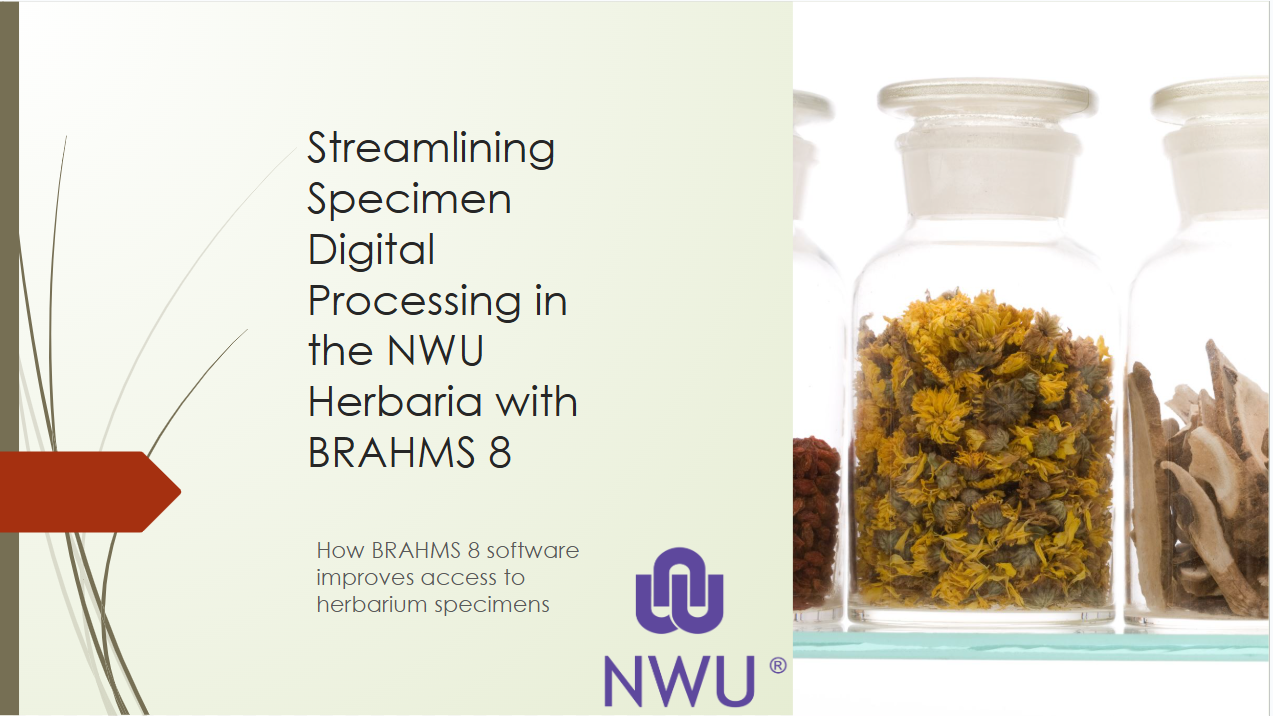
Figure 7. Selection of presentations from CoP sessions
“I really enjoy the CoP sessions, they’re quite informative and have helped me learn a great deal on identifying and distinguishing Asteraceae from other plant groups.” – CoP participant
Purpose
The purpose of the Communities of Practice (CoPs) is to create dynamic, member-driven spaces for collaboration and shared learning in natural science collections. The CoP model is currently being piloted within the NSCF network as a participatory approach to sustained peer engagement and its structure will continue to evolve in response to member feedback and participation patterns. Rather than focusing on formal outputs, the CoPs prioritise open dialogue, practical problem-solving and the exchange of experience across institutions.
The goals include:
- Empowering members to lead sessions and content development.
- Encourage peer learning through interactive formats like panel discussions and skill exchanges
- Strengthening cross-institutional collaboration and mentorship
- Supporting sustained engagement and knowledge sharing across the network.
How is it used
- Membership of the CoPs is voluntary, and members are free to join any number of CoPs and attend sessions according to their interest and availability.
- CoP members can propose, plan and host sessions based on expertise or learning needs.
- Sessions are conversation-driven, focusing on open discussions, collaborative problem-solving and shared experiences.
- CoP Members can contribute resources and notes voluntarily to build a shared knowledge base.
- The NSCF Hub provides logistical and administrative support but does not dictate topics or structure.
Who benefits
Professionals engaged in natural science collections management, including:
- Curators, collection managers, conservators
- Digitisation specialists and data managers
- Museum professionals and researchers
- Students and early-career professionals
URL/Link/How to access
- Interested individuals may contact the NSCF Collection Management Coordinator, Shaun Pieterse at s.pieterse@sanbi.org.za
- Session information is shared through the official NSCF email communication network and the NSCF WhatsApp group.
8. Communicating the Value of Natural Science Collections
To help institutions advocate for long-term support and investment, the NSCF produces the Values of Collections Showcase Series. The series communicates the importance and impact of collections through accessible outreach products.
Value of Collections Showcase Series (booklets, webinars & popular articles)
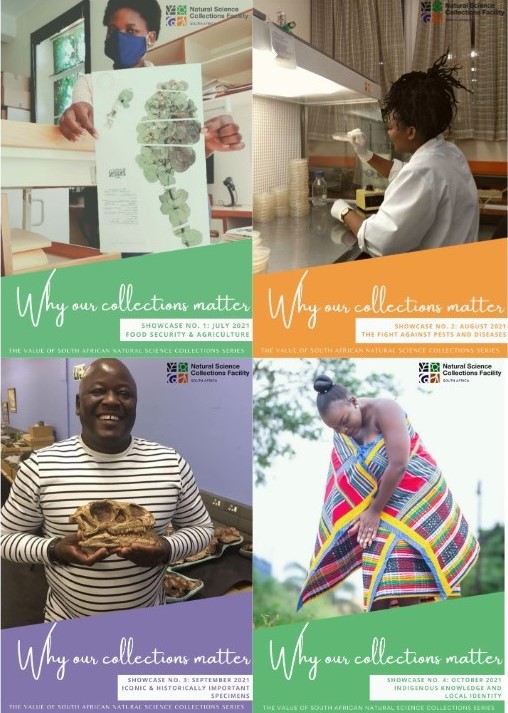
Figure 8. Showcase booklets
Purpose:
The Value of Collections Project was established to raise awareness of the significance of natural science collections. It highlights their role as national and global research infrastructure and demonstrates their contributions to addressing societal and environmental challenges. The project aims to increase public appreciation through storytelling in the form of popular articles and webinars, and aims to ensure the collections are recognised, protected, and supported for future generations.
How is it used:
- As communication and advocacy tools to demonstrate the societal, scientific, and economic value of collections.
- For education and outreach, linking collections to everyday life and the UN Sustainable Development Goals (SDGs).
- By institutions and scientists to promote relevance, justify funding, and showcase research impact.
- As reference material in presentations, exhibitions, and stakeholder engagements.
- In training and professional development, helping staff connect their work to broader societal outcomes.
Who benefits:
- Policymakers and government: Gain insight into how collections support national priorities and SDGs.
- Institutions and staff: Increased recognition and support for their work.
- Researchers and academics: Greater appreciation and collaboration opportunities.
- Educators and students: Access to relatable examples connecting science, culture, and society.
- Public and communities: Enhanced understanding, pride, and connection to South Africa’s natural heritage.
URL/Link/How to access: https://nscf.org.za/resources/the-value-of-natural-science-collections/
9. Social Innovations: Redefining Community and Collaboration
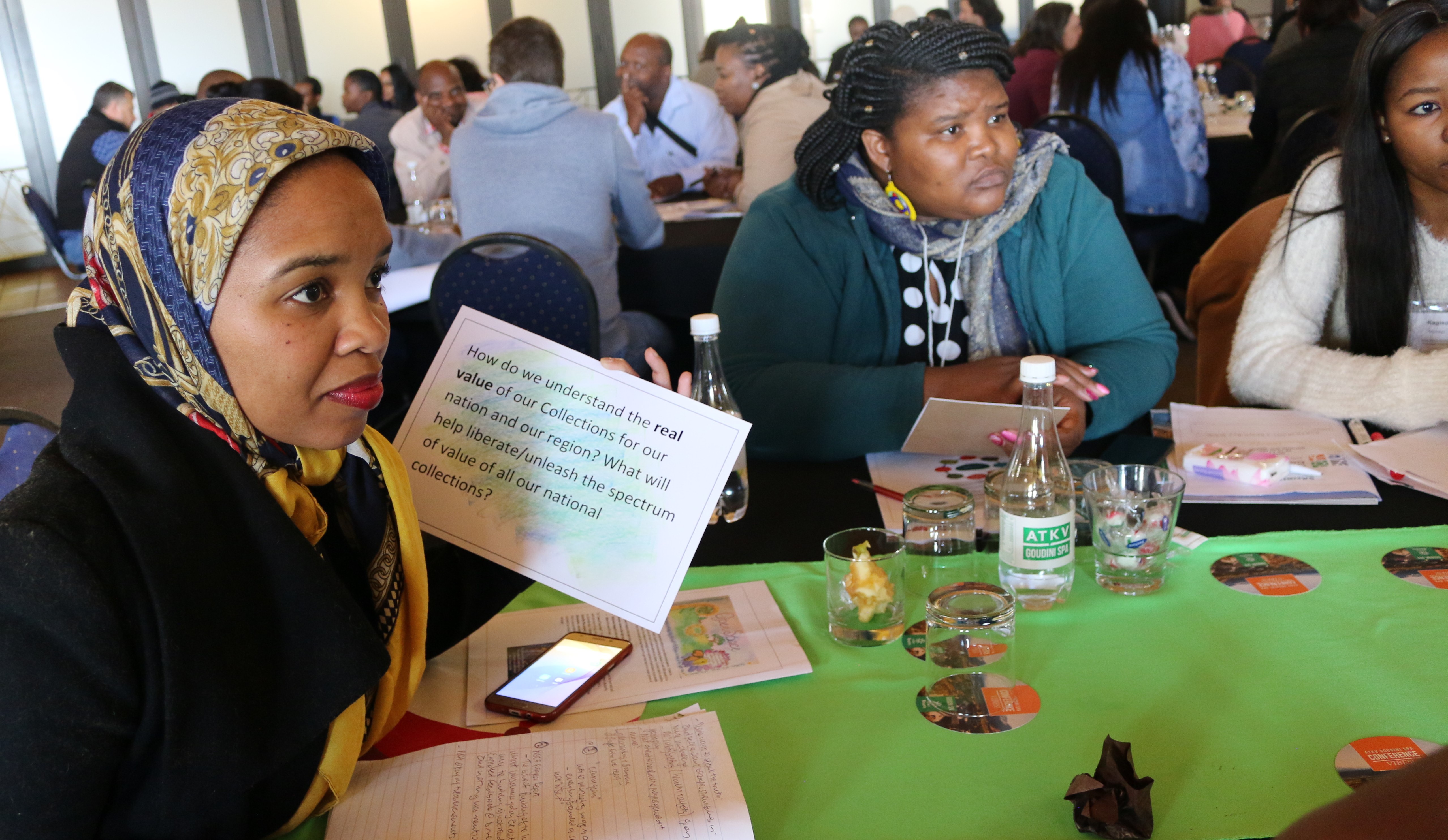
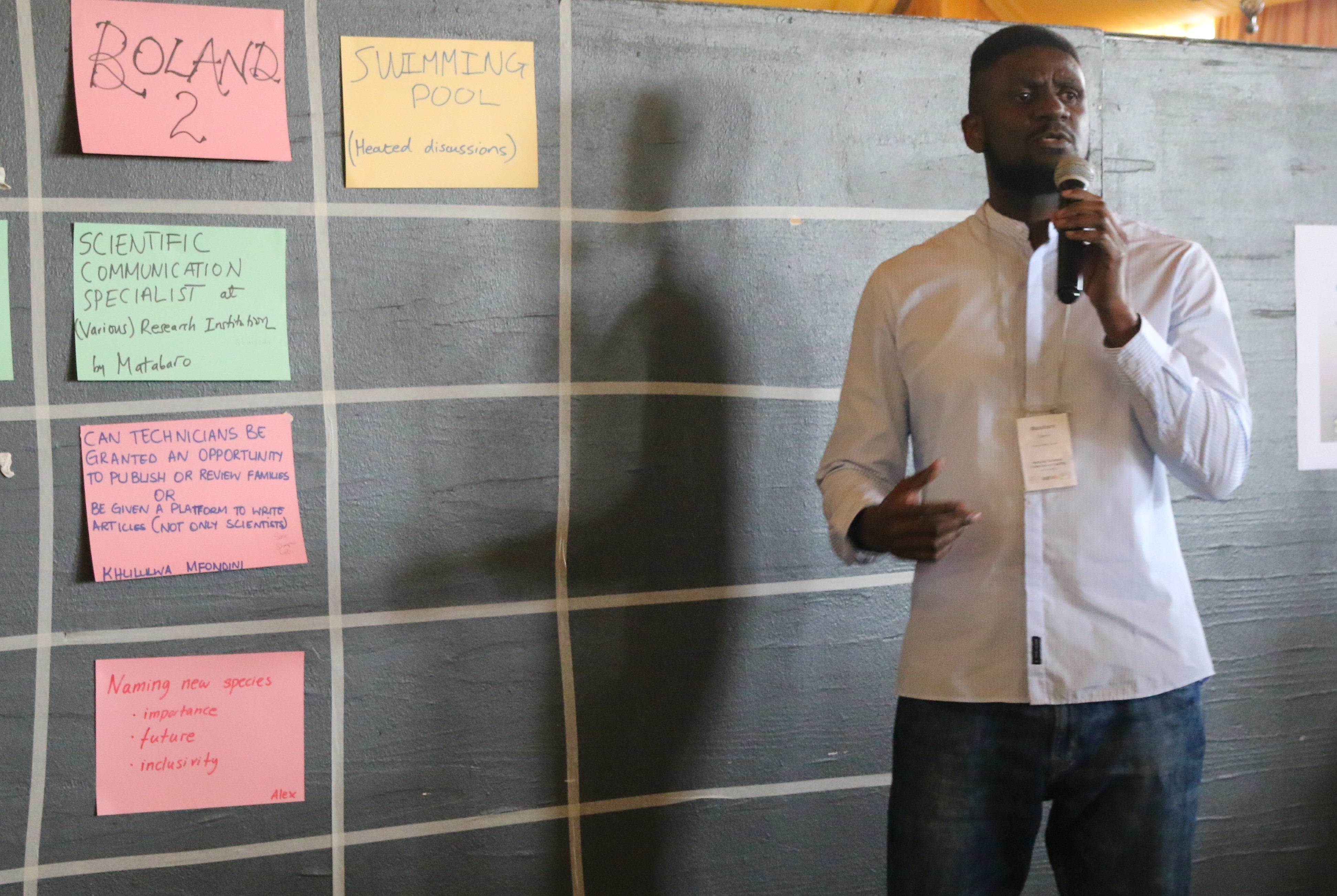
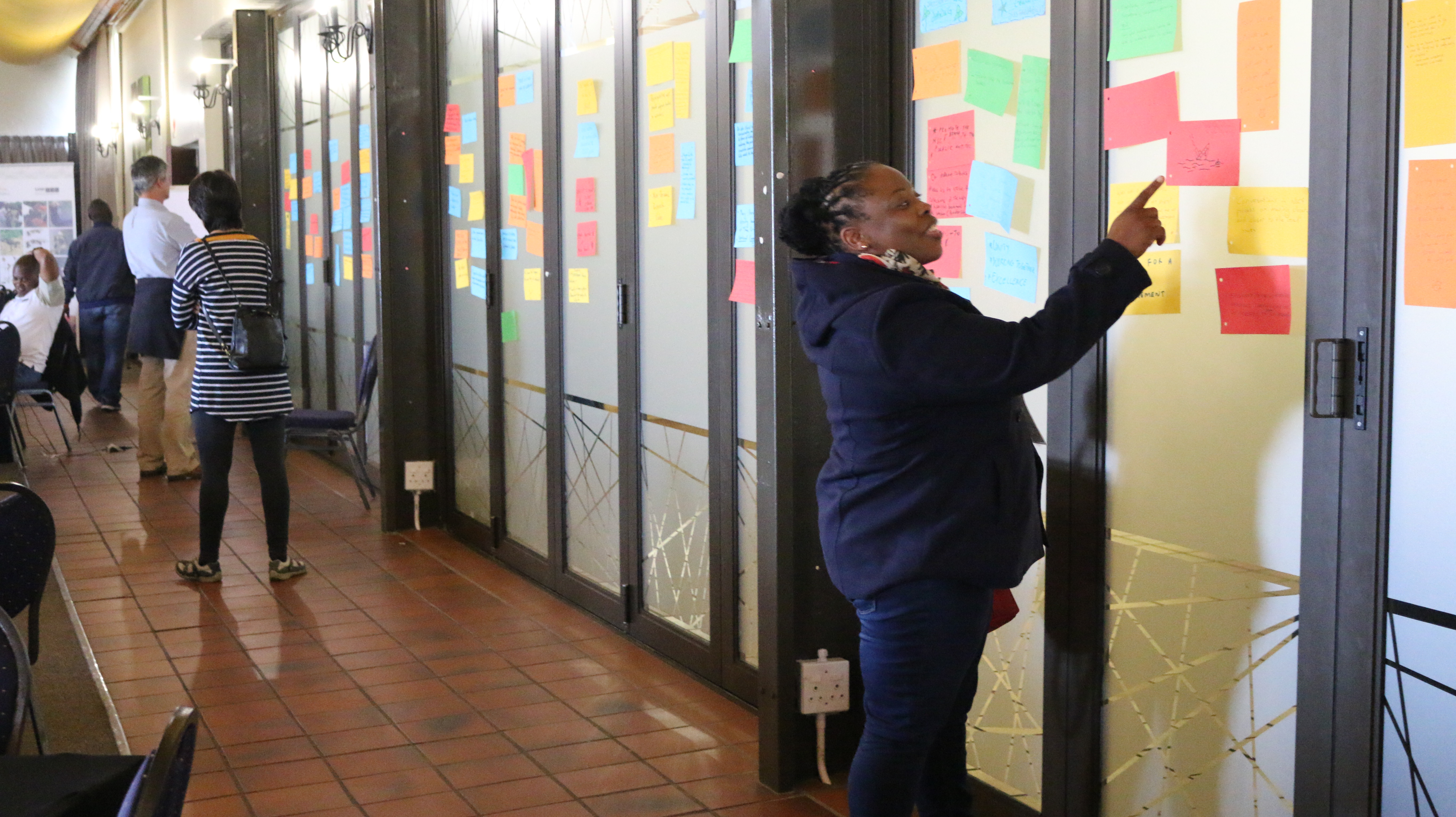
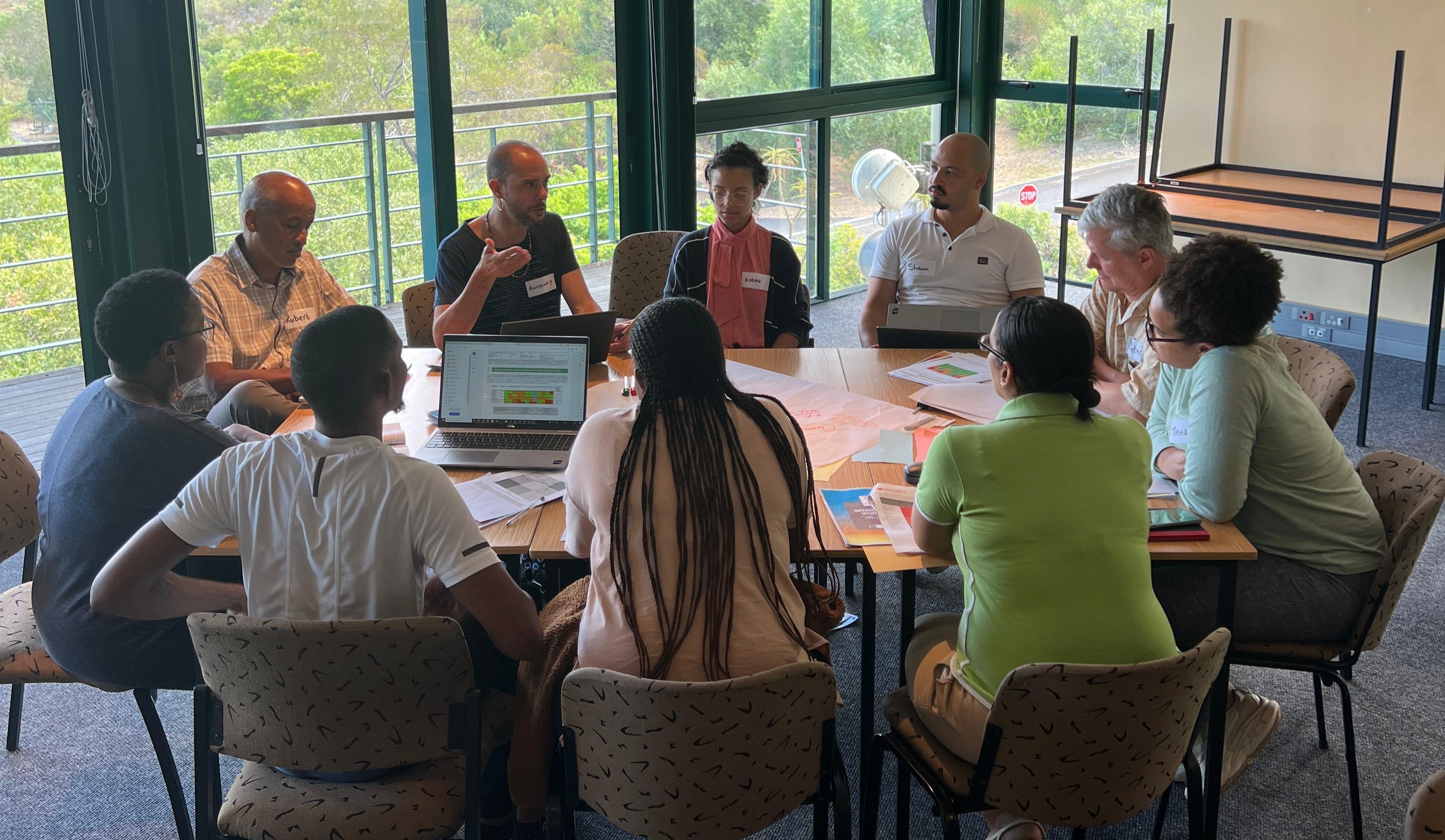
Figure 9. Use of Café Conversations and Open Air Unconferencing social technologies
Beyond the technical tools, the NSCF’s real breakthrough has been in its shift away from cold, top-down management toward a focus on genuine human connection. By moving away from rigid goals and audit-style inspections, the network created a safe space where people across institutions felt comfortable being honest about their challenges. This was best seen in the collections assessments, which were designed as a partnership rather than an exam. It normalised conversations around resource gaps and risks, transforming what could have been a stressful compliance exercise into a collaborative process of shared learning and reflection.
To keep this community vibrant, the NSCF Hub introduced practical ways to break down old hierarchies and make sure everyone has a voice. By introducing social technologies such as café conversations, active listening, and simple meeting check-ins, the network is working to shift away from purely formal business interactions toward a culture of mutual respect and psychological safety. These innovations have begun to bridge the gaps between previously isolated repositories, laying the groundwork for a more connected and high-functioning community. This approach is based on the belief that when you invest in people and foster a shared sense of responsibility, technical standards and best practices are much more likely to take root and flourish over time.
10. Benefits of open resources, shared standards and tracking mechanisms
Open access has become a powerful driver of progress for South Africa’s natural science collections community. Through the NSCF’s publications, training and tools, institutions are improving their practices while building a shared foundation of knowledge and trust. Staff now have a common framework and language for managing collections to international standards.
These tools also introduce a new level of accountability. With clear assessment measures and the Collections Status Tracking Tool, managers can identify where progress has been made and where investment is still needed, strengthening their case with institutional leadership and funders.
Better documentation and ongoing digitisation make collections more visible and usable, supporting research in a number of fields. Furthermore, outreach initiatives like the Value of Collections showcase help researchers and decision-makers appreciate how these collections contribute to scientific discovery and policy development.
11. Challenges and lessons learned
Open access alone does not remove structural constraints. Many institutions still face limited funding, staffing shortages, and the need for stronger institutional commitment. The NSCF’s experience shows that while the Manual and associated tools provide a solid framework, success depends on local adaptation and integration, as well as ongoing support. Each institution’s size, infrastructure, and collection type requires flexible approaches and sometimes tailored solutions.
Digitising collections and improving data quality are time- and staff-intensive, requiring sustained effort. Progress happens fastest when standards, training, assessment, and tracking tools are applied together and reinforced through active Communities of Practice and regular learning opportunities. Moreover, these Communities of Practice are meant to serve as collaborative and community-centric spaces where all levels of expertise and various professions are valued and come together to drive the development of solutions to challenges faced by the community.
12. Potential for collaboration – Local, African & Global
The NSCF’s open-access resources facilitate local improvements as well as wider collaboration. Shared standards simplify integration with national and global platforms like the Global Biodiversity Information Facility (GBIF), making collaboration with African and international partners easier.
With its open resources and interoperable approach, the NSCF is also well positioned to support similar initiatives elsewhere in Africa through shared training, assessment methods, and, where appropriate, regional adaptation of the tools.
Other collection networks can adapt these openly available resources to their contexts and needs, increasing the scope of these tools to serve as global resources aimed at improving collection care and management. Through such partnerships, institutions can exchange knowledge, co-develop best practices, and demonstrate the impact of collections in research, conservation, and education. Open access thus strengthens local collections while fostering a collaborative global community.
13. Future work and needs
To make the societal and scientific impact of collections more visible, the NSCF is developing a dashboard that will track the use and impact of collection data. This will help institutions and funders see the return on their investments and highlight cross-border collaborations involving South African specimens.
In parallel, the NSCF is developing a virtual museum that will bring together specimen images, collection data, and important historical documents from across the network onto a single platform. This resource will make collections more accessible to researchers, educators, and the public, while preserving and showcasing their rich history.
14. Conclusion
The NSCF community’s open-access approach demonstrates how standards, training, assessment, and tracking tools strengthen the development of natural science collections as dynamic, collaborative resources. By making these materials freely available, South African institutions are strengthening local capacity, fostering cross-institutional learning, and building a foundation for wider African and global partnerships. The introduction of the Collections Status Tracking Tool, the forthcoming data dashboard, and the virtual museum ensures that the value of collections, for research, education, conservation, and society, is visible, measurable, and shareable.
As the NSCF community continues to expand these tools and platforms, it is helping to support a future where collections are not only preserved, inanimate, dead things but valuable and dynamic resources teeming with a wealth of information actively used to address biodiversity challenges, inform policy, and advance scientific discovery across borders.