
The Natural Science Collections Facility is a network of South African institutions holding natural science collections, established as part of the Department of Science, Technology and Innovation’s Research Infrastructure Roadmap and co-ordinated by the South African National Biodiversity Institute (SANBI). Participating institutions are committed to collaborating to achieve the following objectives:
Collections secured and accessible physically and virtually for research
Data from specimens in collections accessible and used for managing collections, research and decision-making
Research on collections and associated data addresses issues of national and global relevance
Collections and associated research provide services to identify natural science specimens for a range of stakeholders including in the agriculture, health, environmental management and academic sectors
Latest News
Siphamandlus mcelelianus: The Vibrant Connector
Found thriving in the lively halls of NRF-SAIAB, Grahamstown, Siphamandlus mcelelianus is a Wet Specimen Photographer known for bringing light, laughter, and life to every environment. With an energetic nature and a gift for connection, this species thrives in...
Nonkululekia ntshangasensis: The Grounded Collaborator
Habitat: Pretoria, thriving within the collaborative ecosystem of SANBI. Niche: Specializes in managing and refining biodiversity data to serve a wide range of end users, ensuring accuracy and accessibility across the scientific landscape. Distinctive Traits: This...
Maggiella manyatsae: The Empathetic Mite Maven
Habitat: Found thriving in the Pretoria Learning Zone, within the rich and dynamic ecosystem of the Agricultural Research Council. Prefers environments that nurture growth, curiosity, and collaboration. Description: A 90s-born species, Maggiella manyatsa is known for...
New species described from South African collections
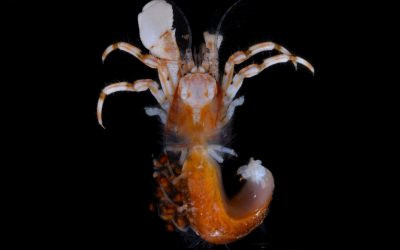
A new Species of the Hermit Crab from the KwaZulu-Natal coast, South Africa
A new hermit crab species, Diogenes albimanus (Crustacea: Decapoda: Diogenidae) was described from the coast of KwaZulu-Natal, South Africa by Jannes Landschoff and Dwi Listyo Rahayu. High quality macro photographs, a high-resolution microCT scan of the whole animal,...
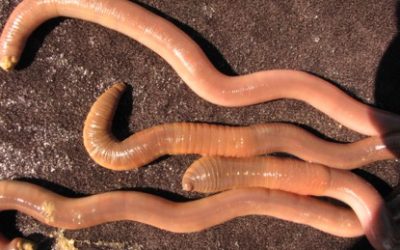
Four new earthworm species described
Four new species from the genus Kazimierzus were recently described from the Western and Northern Cape of South Africa, by Thembeka Nxele and her colleagues. All material are deposited at the KwaZulu-Natal Museum, Pietermaritzburg, which houses the biggest Oligochaeta...
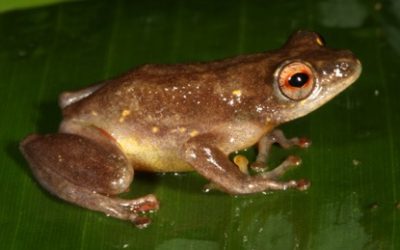
New reed frog species discovered from north-eastern Mozambique
A new reed frog species, Hyperolius stictus (Hyperoliidae) from the Coastal Forests of north-eastern Mozambique, was recently described by Werner Conradie and colleagues. The paper also includes acoustic and phylogenetic analyses. Type material is deposited at the...
Iconic specimens
No Results Found
The page you requested could not be found. Try refining your search, or use the navigation above to locate the post.
Use of Collections

Shale Gas Exploration SEA

Barcode of Wildlife Project

Red List Assessments
Virtual Museum
The NSCF aims to increase the accessibility and use of natural science collections for research and also to secure collections.
One mechanism of achieving both these objectives is to establish a “virtual museum” which will take the form of detailed images of important specimens such as types, and to also provide digital access to documents such as historical field notes, old catalogue books and accession registers and other documents related to the collections. Over the next two years we will initiate a project to digitise specimens and important documents and to make these available online. We also aim to show some of the collection store rooms online to provide a sense of the scope and scale of these for the public who rarely have the chance to see these hidden treasures.


